
Advertising, Amazon, Amazon, Amazon PPC, Pay per click
When Product Variations Become a Growth Barrier And How the Right Structure Unlocks Scale
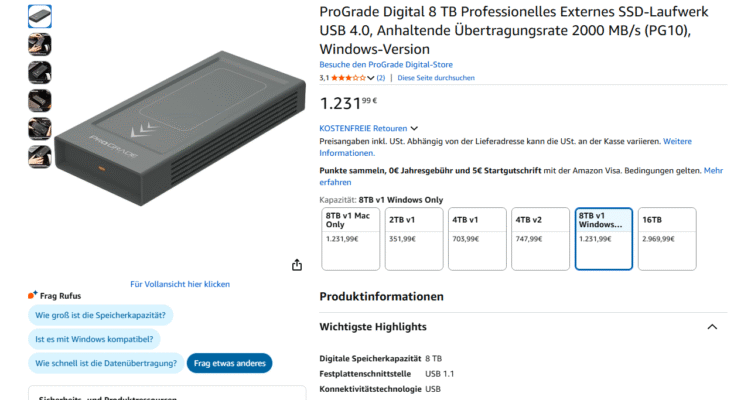
On Amazon, growth often looks simple from the outside: add more products, expand variations, and reach more customers. But behind the scenes, sellers know the truth if your listing structure isn’t right, even the best products can struggle to perform.
Recently, I partnered with a client who was launching a complex variation listing for a premium tech product. The product itself was strong, demand was there, and the brand was ready to scale. However, the listing told a different story.
The Challenge: Variations That Didn’t Work Together
The client needed to display multiple storage capacities and operating system–specific versions under one parent listing. While the variations were created, several issues quickly surfaced:
-
Some child ASINs were not appearing under the parent
-
Attributes such as OS compatibility and capacity were misaligned
-
Customers couldn’t clearly differentiate between options
-
The buying experience felt fragmented and confusing
This is a common issue, especially when sellers try to manage complex variations manually or without fully aligning Amazon’s attribute requirements.
The Approach: Rebuilding the Foundation with Bulk Uploads
Instead of applying surface-level fixes, we took a step back and focused on structure first.
Using Amazon’s bulk upload templates, we rebuilt the variation listing from the ground up:
-
Cleaned and standardized all parent-child relationships
-
Corrected variation themes and mandatory attributes
-
Clearly defined compatibility, capacity, and version details
-
Ensured compliance with Amazon’s category and marketplace rules
-
Optimized the listing to present all options clearly under one parent
Bulk uploads allowed us to work with precision, eliminate hidden errors, and ensure consistency across every variation—something that’s difficult to achieve through manual edits alone.
The Result: A Seamless Buying Experience
Once the updated file was processed and the listing refreshed, the difference was immediate.
All variations appeared correctly under the parent listing. Customers could easily compare options, understand compatibility, and choose the right product without hesitation. Most importantly, the listing was now built to scale, allowing the brand to add future variations without breaking the structure.
For the client, this wasn’t just a technical fix—it was peace of mind. Confidence in the listing was restored, and the brand was ready to move forward with growth.
Why Listing Structure Matters More Than You Think
On Amazon, success isn’t just about having great products. It’s about how those products are presented.
A well-structured variation listing:
-
Improves customer experience
-
Reduces confusion and returns
-
Strengthens brand credibility
-
Increases conversion potential
-
Supports long-term scalability
When structure is wrong, performance suffers quietly. When it’s right, everything else works better.
Final Thoughts
Every successful Amazon brand is built on details that customers never see but always feel. Clean variation logic, accurate attributes, and a seamless buying journey make all the difference.
If you’re planning to expand variations or struggling with listings that don’t behave the way they should, start with structure. Growth follows clarity.
